




Who are we?
Our History
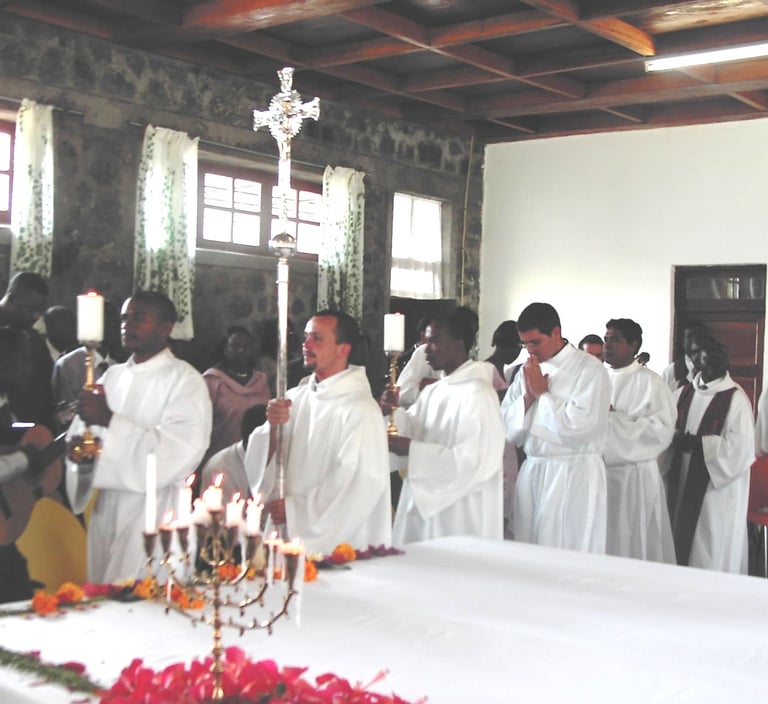
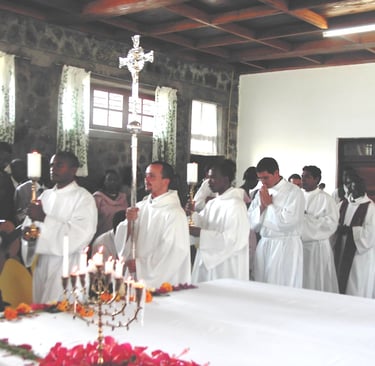
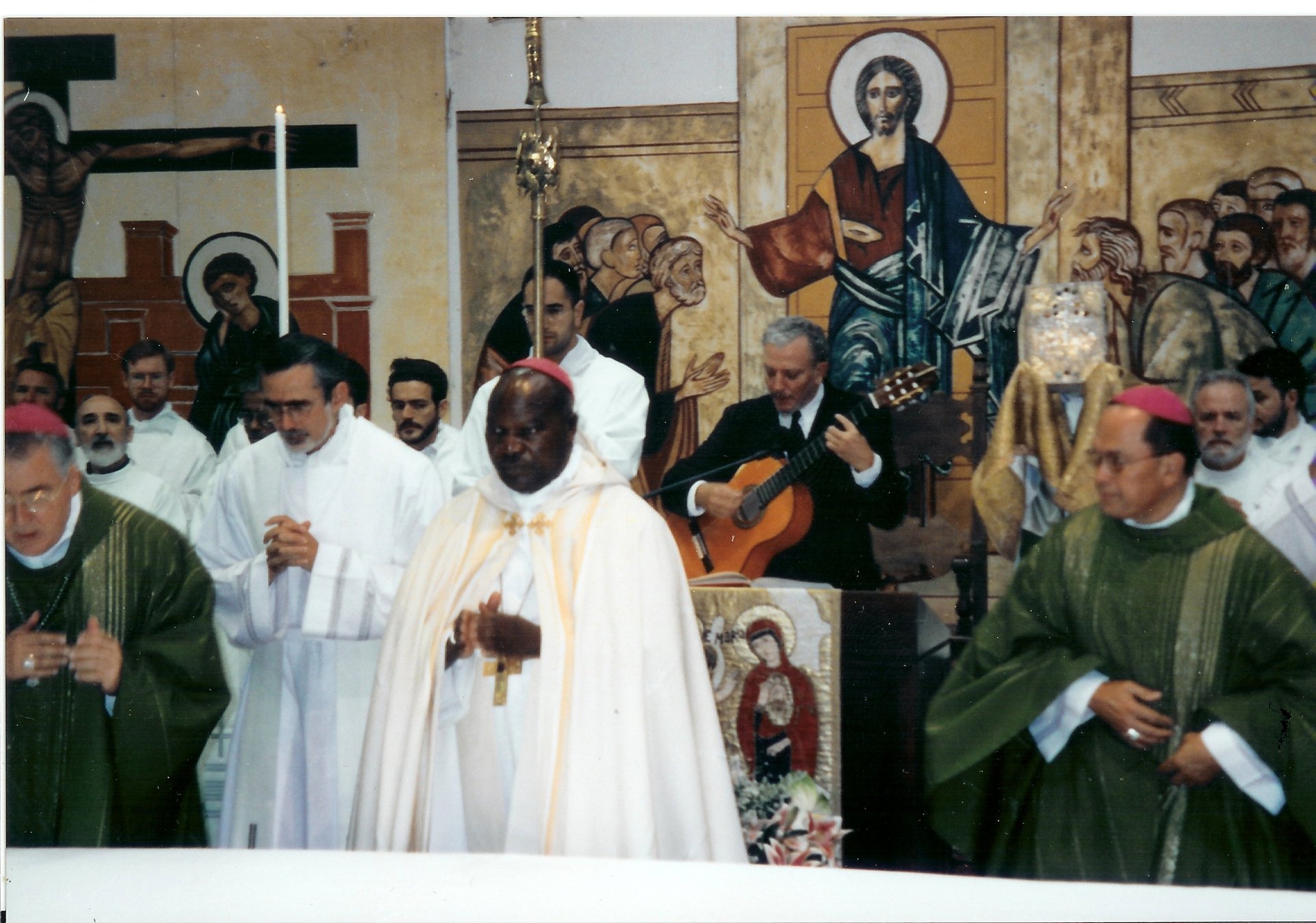
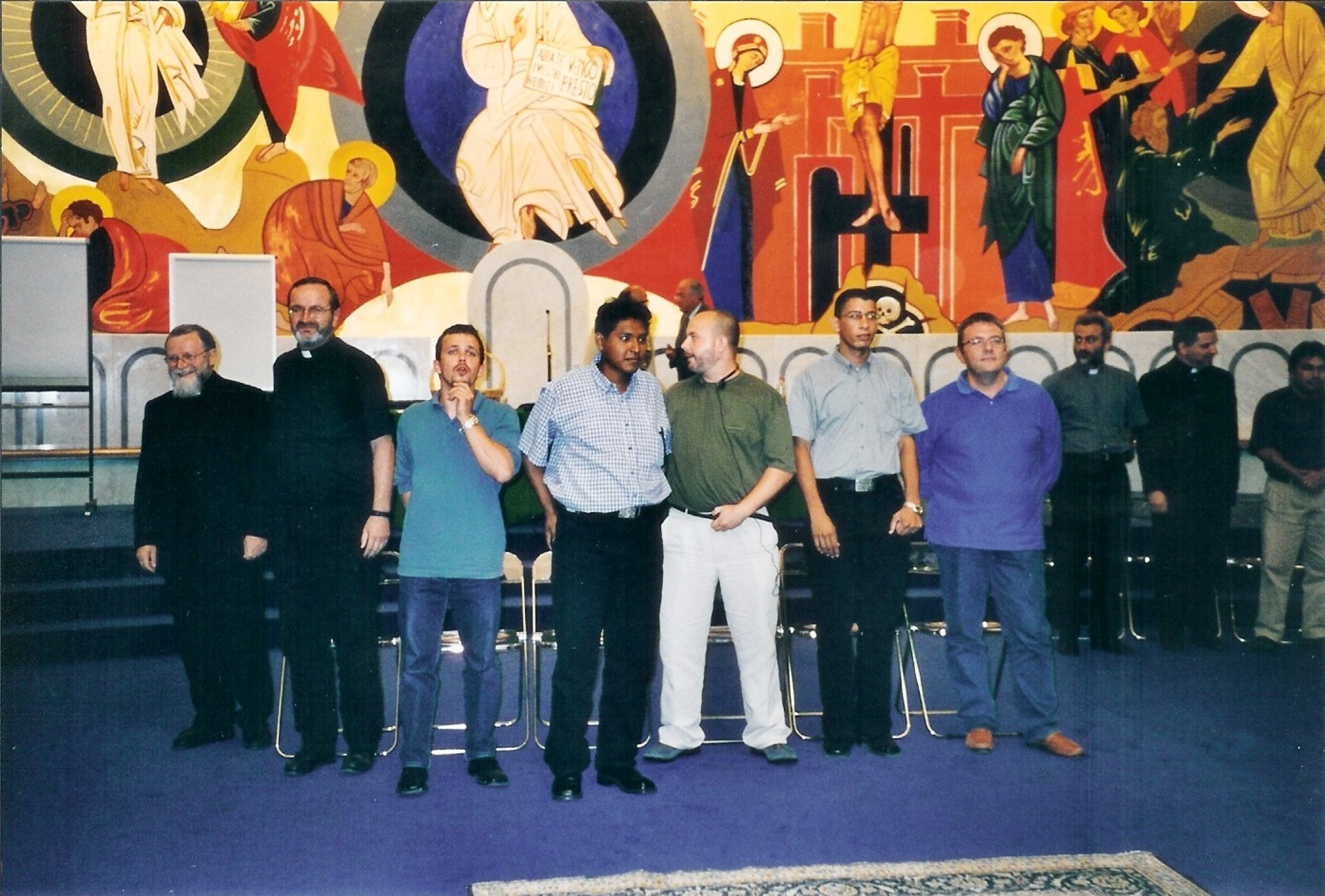
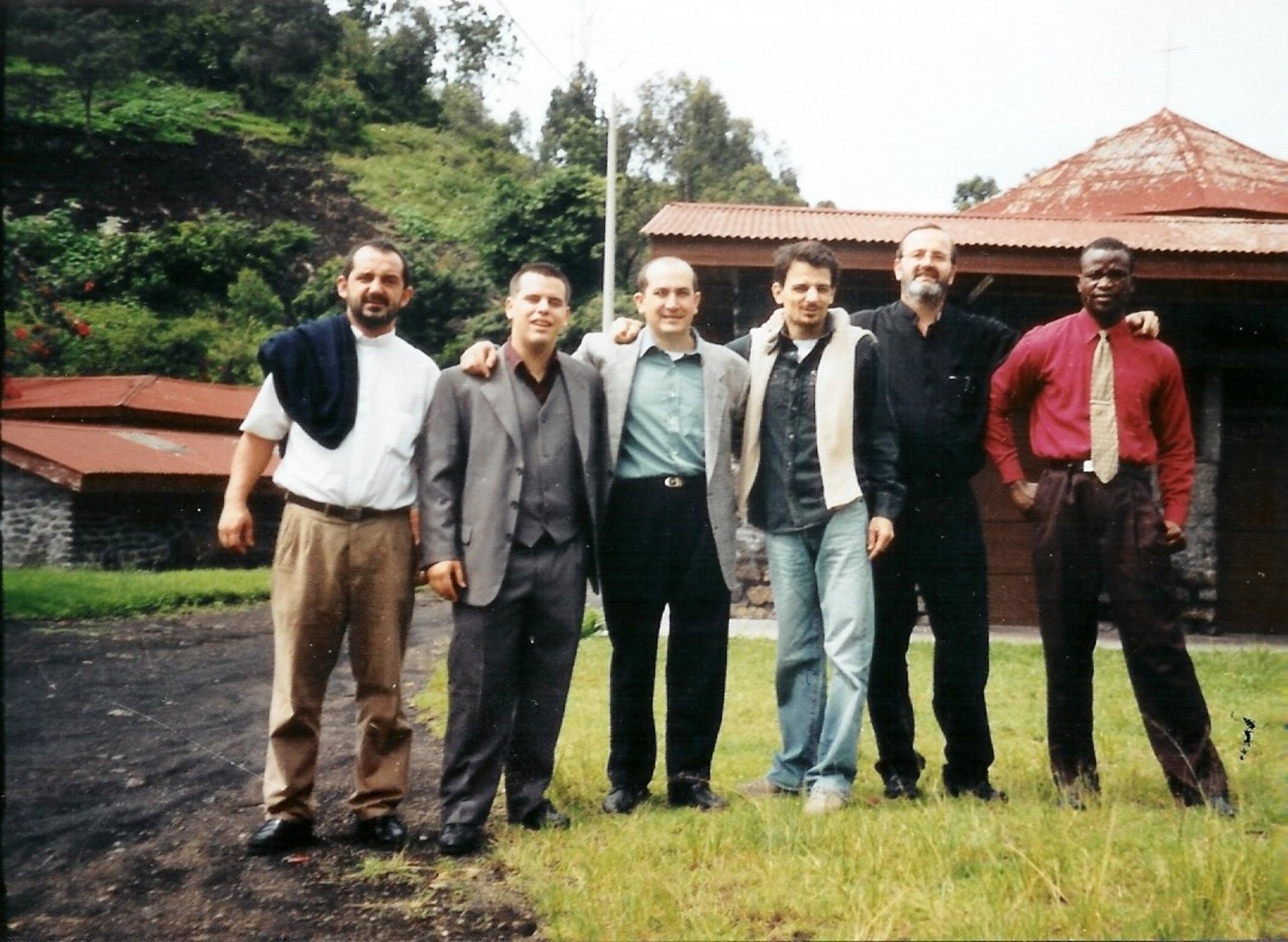
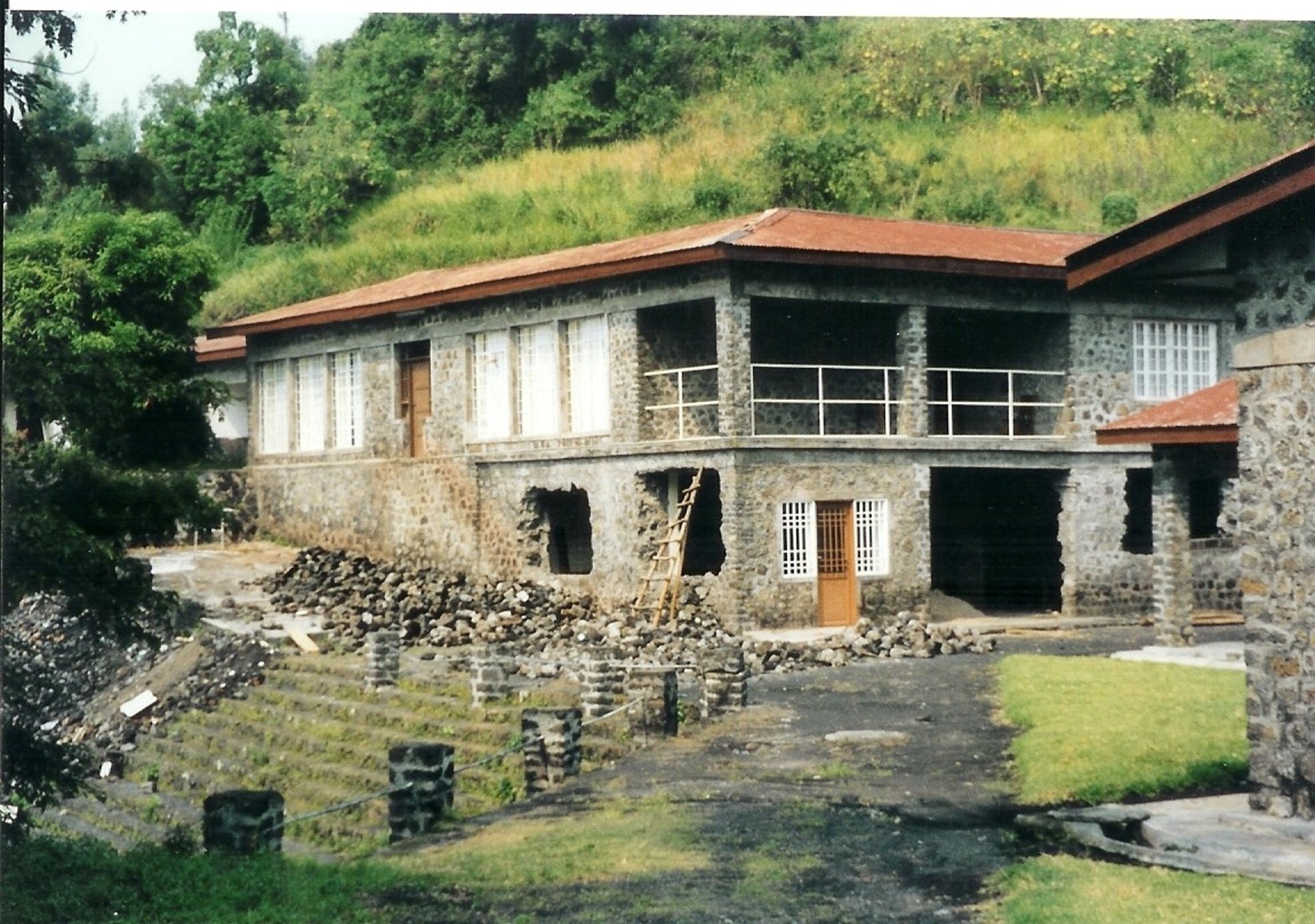
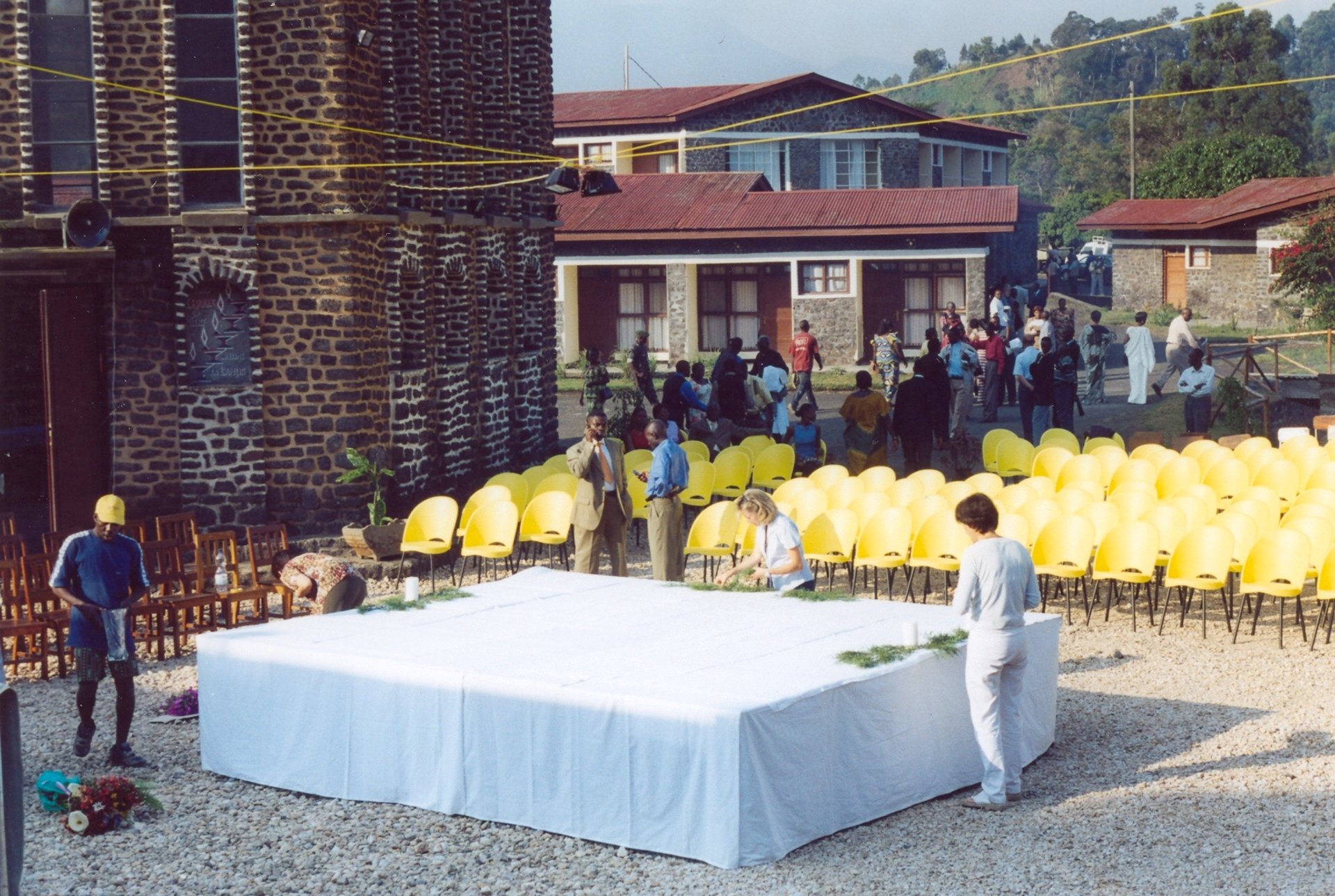
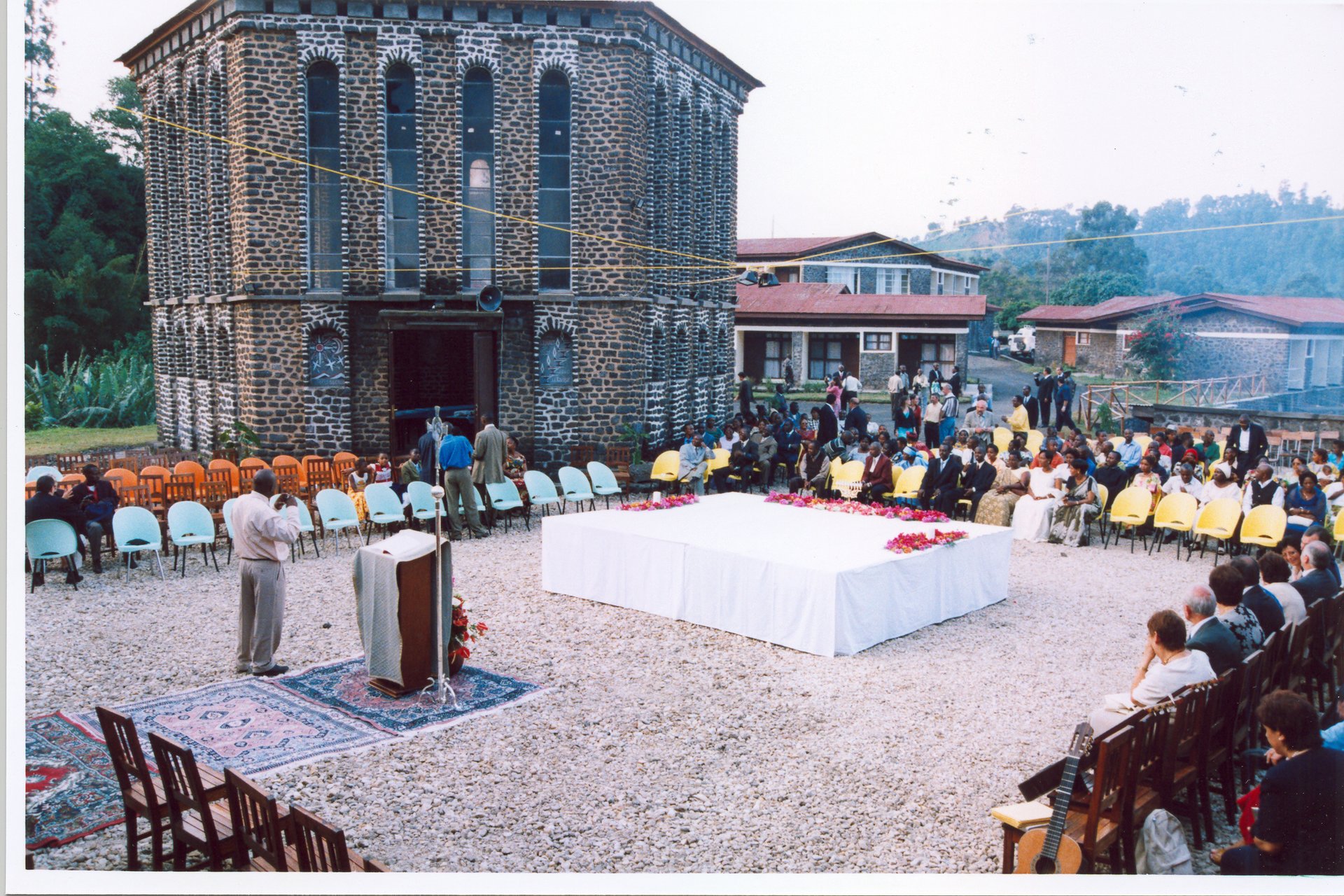
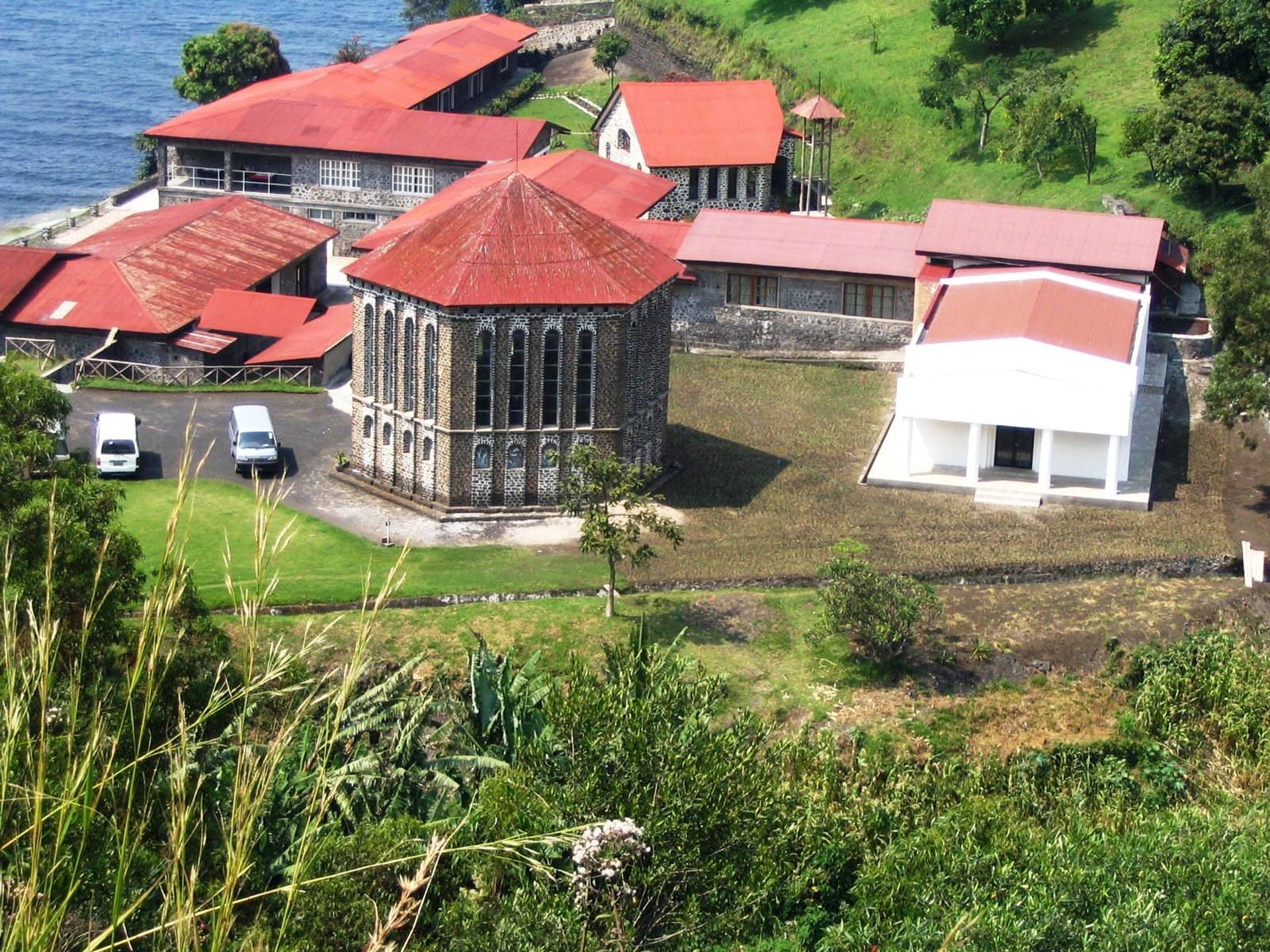
The Redemptoris Mater Seminary of Goma, located in the Democratic Republic of Congo, is a diocesan missionary seminary of the Diocese of Goma. It is dedicated to forming priests for the New Evangelization. The seminary was established on September 17, 2001, in the city of Buhimba, near Goma. Its foundation was marked by a convivence (spiritual retreat) of seminarians in Arcinazzo, Italy, during the construction of the Porto San Giorgio tent.
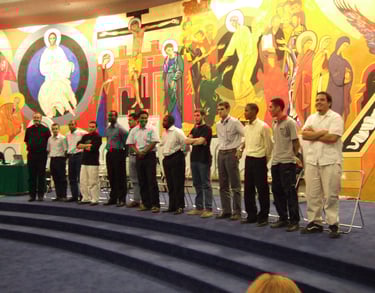
The official inauguration of the seminary took place on August 15, 2004, celebrated with approximately 300 brothers from Congo, Rwanda, and Europe, reflecting its international and missionary character. This milestone emphasized the seminary's commitment to serving the local Church in Goma and contributing to the broader mission of evangelization in the region.
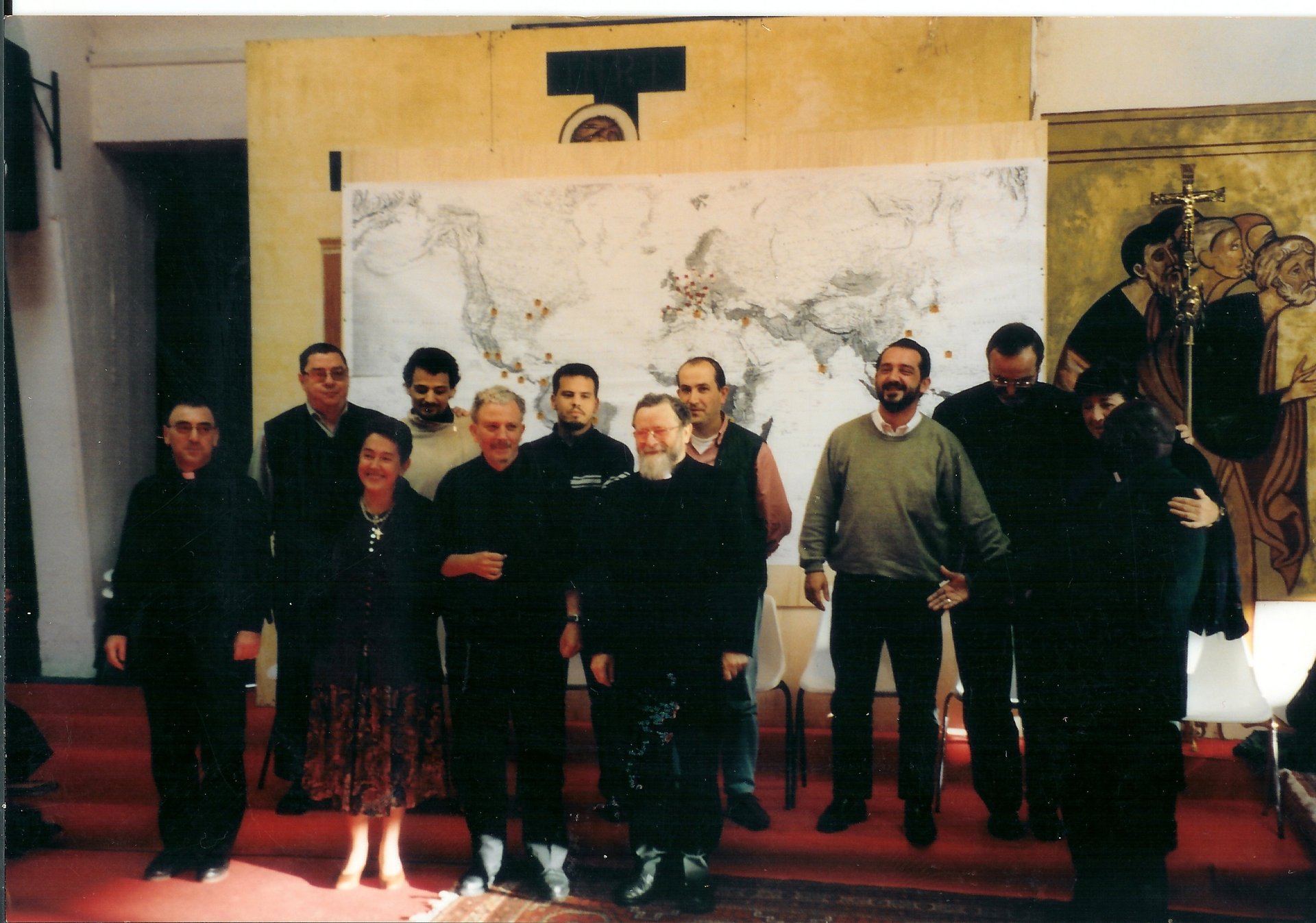
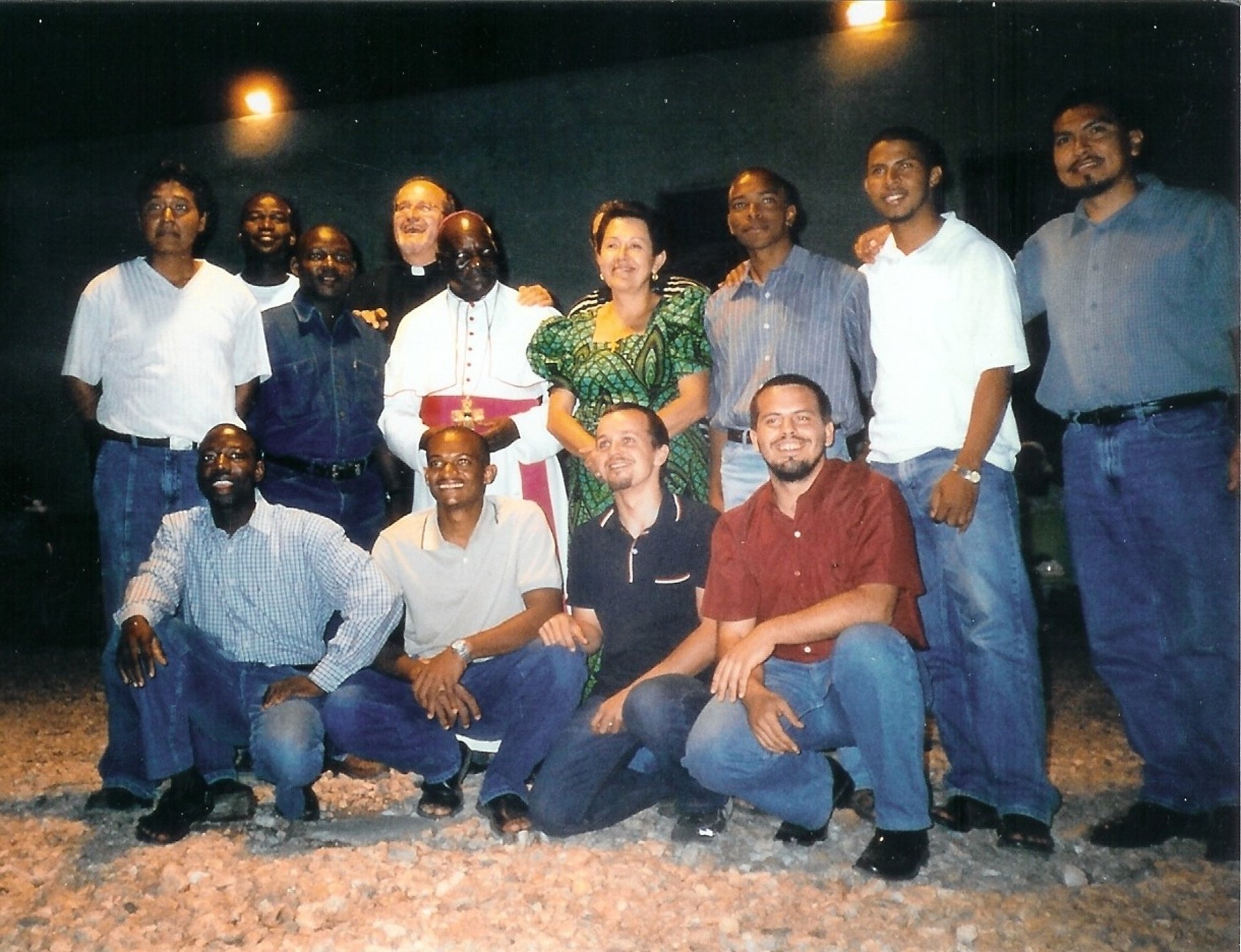
The Redemptoris Mater seminaries are a fruit of the Second Vatican Council and the initiative of Pope John Paul II, who, in 1988, established the first Redemptoris Mater Seminary of its kind in Rome, Italy, to prepare diocesan priests with a missionary spirit. These seminaries are defined by their international composition and connection to the Neocatechumenal Way, a Catholic formation that began in 1964 in Madrid, Spain. The Way focuses on forming Christian communities that live in humility, simplicity, and praise, fostering mature faith and the New Evangelization.
As of today, there are 124 Redemptoris Mater seminaries worldwide, including several African countries such as Ivory Coast, Cameroon, Zambia, Tanzania, Uganda, and Madagascar.
These seminaries share three main characteristics:
They are diocesan, established by the local bishop.
They are international, welcoming vocations from various nations.
They are missionary preparing priests ready to serve wherever the Church needs them.
Our Location
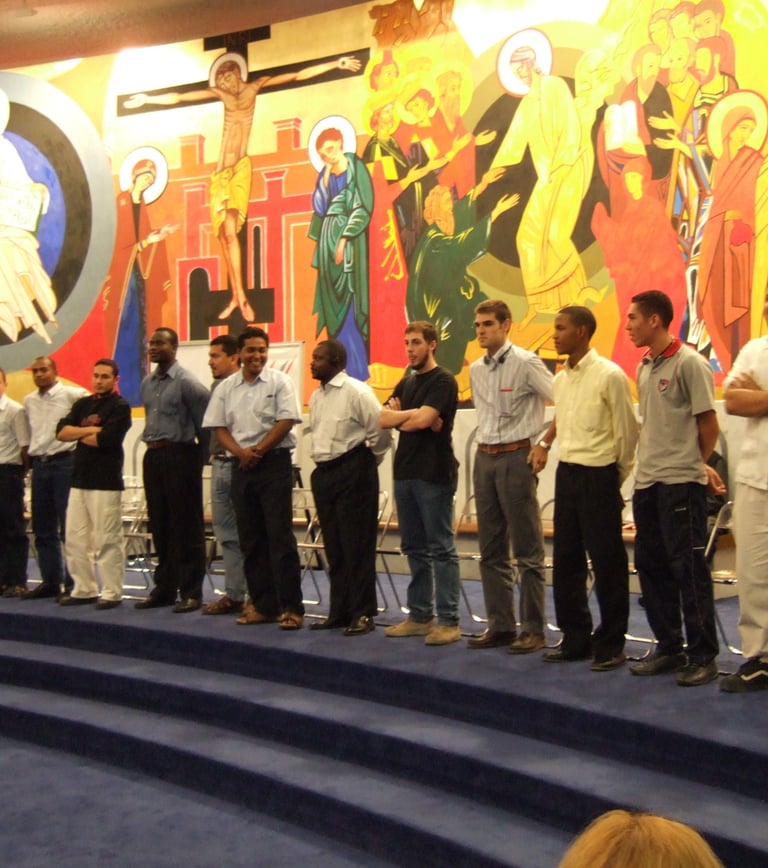
Located in Goma, our seminary serves as a beacon of hope and faith for the community, fostering spiritual growth and cultural richness.
Redemptoris Mater Diocesan Missionary Seminary of Goma 946V+486, Goma, Congo - Kinshasa